
Neuroscience
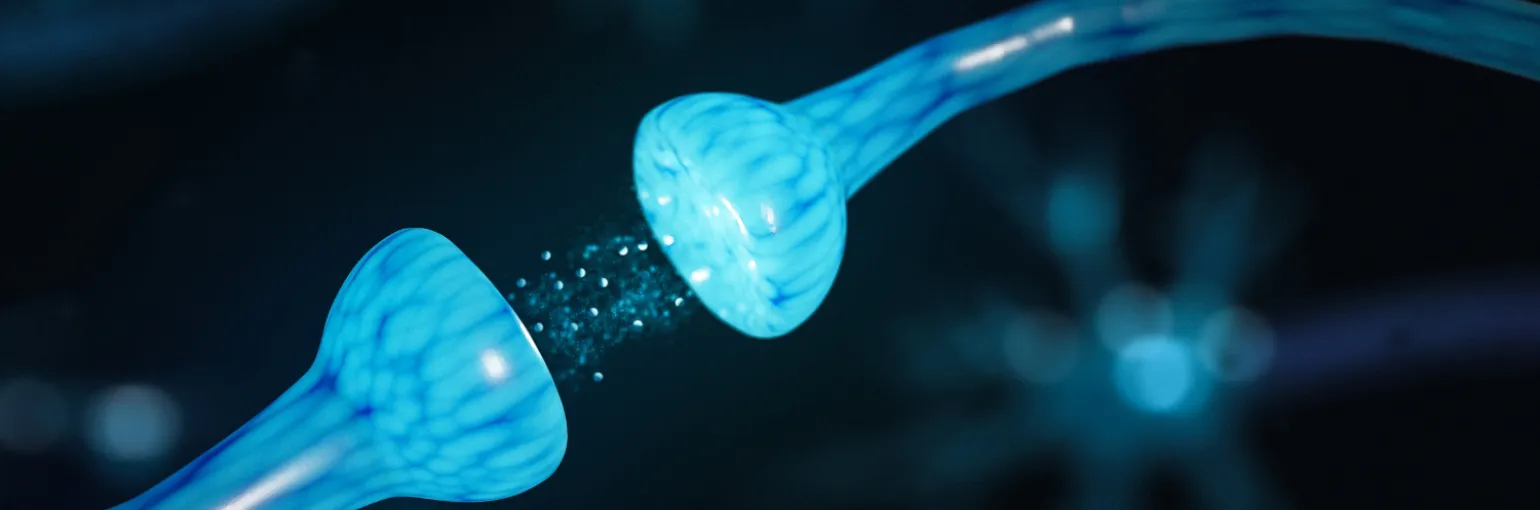
The mission of neuroscience research at VIB is to advance the understanding of the brain and enhance the ability to effectively treat complex neurodegenerative diseases affecting the central and peripheral nervous systems. VIB scientists tackle biological questions related to synapses, neuronal networks, and connectivity, with a primary focus on the disruption of these functions in disease-related processes. Our research encompasses the neurobiology and neurogenetics of major neurodegenerative disorders, such as Alzheimer's disease, frontotemporal dementia, Parkinson's disease, and ALS, as well as various neuronal disorders, including epilepsy, dystonia, ataxia, intellectual disabilities, peripheral neuropathy, and spastic paraplegia. To accomplish this mission, VIB researchers use cutting-edge technologies that bridge circuit activity and brain function, harness modern human molecular genetics and genomic approaches, and explore cellular, developmental, and systems biology.

Center for Molecular Neurology
The overall objective of the VIB-UAntwerp Center for Molecular Neurology is to advance our knowledge of the intricacies of the nervous system's biology throughout the process of aging, both in healthy individuals and those affected by age-related diseases. They strive to unravel new insights that will not only benefit clinical practice but also fuel experimental investigations, thereby providing a comprehensive understanding of the disease progression. Ultimately, they aim to foster the development of impactful preventive interventions and etiological treatments.

VIB-KU Leuven Center for Neuroscience
The research conducted at the VIB-KU Leuven Center for Neuroscience is dedicated to unraveling the fundamental biological mechanisms underlying neurobiology and brain diseases, with the ultimate goal of addressing major medical challenges. Their endeavors are characterized by five cutting-edge, multidisciplinary research lines, fostering collaboration and interaction among their different labs.

NERF
Start ups